

Anton Hallmann
41
/
44
TÜV Süd
Energy of the Future
Energy of the Future
Get in touch
 © Anton Hallmann / Sepia
1
 © Anton Hallmann / Sepia
2
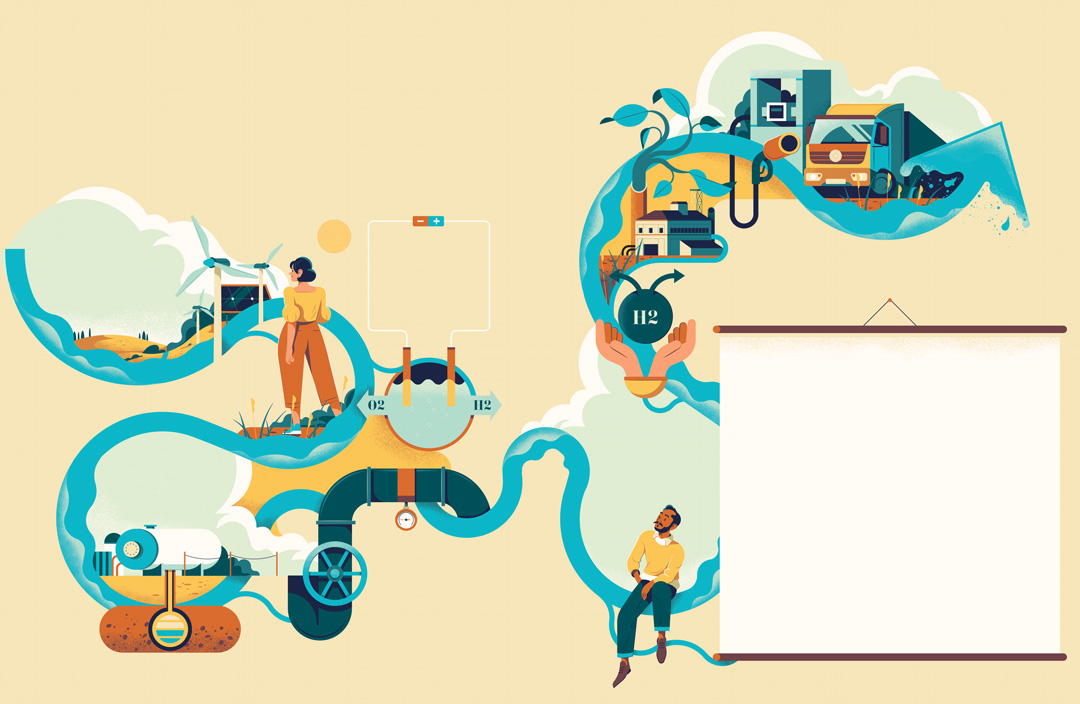
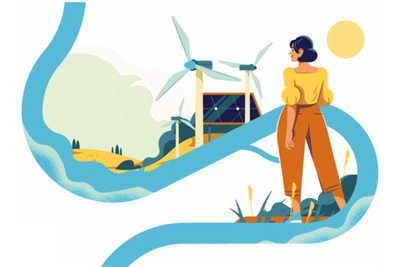
Renewable energies provide the foundation for climate-neutral hydrogen production and already account for a significant share of Germany’s electricity supply. Further expansion, however, requires investment in grids and storage – with hydrogen itself playing an important role as a means of storing energy.
Renewable energies provide the foundation for climate-neutral hydrogen production and already account for a significant share of Germany’s electricity supply. Further expansion, however, requires investment in grids and storage – with hydrogen itself playing an important role as a means of storing energy.
 © Anton Hallmann / Sepia
3
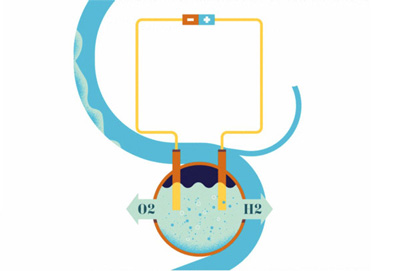
In an electrolyser, green electricity is used to split water into hydrogen and oxygen. Different electrolysis technologies offer distinct advantages, while their further development and scaling are key to significantly reducing hydrogen production costs.
In an electrolyser, green electricity is used to split water into hydrogen and oxygen. Different electrolysis technologies offer distinct advantages, while their further development and scaling are key to significantly reducing hydrogen production costs.
 © Anton Hallmann / Sepia
4
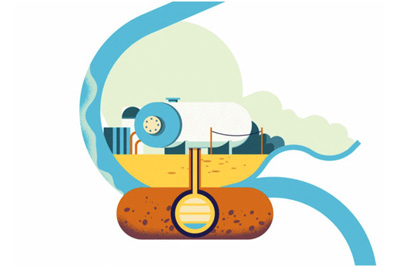
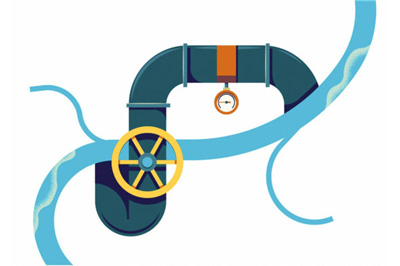
Hydrogen can be stored over long periods in pressure vessels, liquid hydrogen tanks or underground salt caverns. Lightweight composite tanks are mainly used for mobile applications, while metal hydride storage is still under development. Hydrogen can be transported through existing gas pipelines, much of which can be adapted for H?. By 2032, Germany is also expected to develop a hydrogen network of around 9,000 kilometres connecting production and industrial sites.
Hydrogen can be stored over long periods in pressure vessels, liquid hydrogen tanks or underground salt caverns. Lightweight composite tanks are mainly used for mobile applications, while metal hydride storage is still under development. Hydrogen can be transported through existing gas pipelines, much of which can be adapted for H?. By 2032, Germany is also expected to develop a hydrogen network of around 9,000 kilometres connecting production and industrial sites.
 © Anton Hallmann / Sepia
5
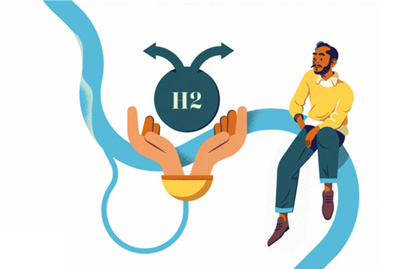
Countries with abundant renewable energy can produce green hydrogen for export to regions with higher demand. Germany already plans to import hydrogen, with imports expected to cover 50–70% of its demand by 2030.
Countries with abundant renewable energy can produce green hydrogen for export to regions with higher demand. Germany already plans to import hydrogen, with imports expected to cover 50–70% of its demand by 2030.
 © Anton Hallmann / Sepia
6
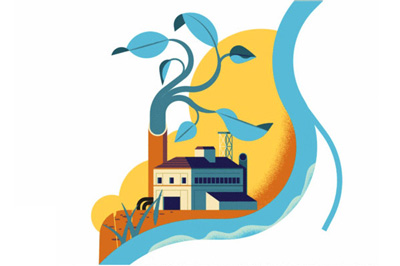
Green hydrogen can make industrial processes significantly more sustainable. It can replace coal in steel production, is used to produce ammonia and methanol in the chemical industry, and can also help reduce CO? emissions in gas-fired power plants.
Green hydrogen can make industrial processes significantly more sustainable. It can replace coal in steel production, is used to produce ammonia and methanol in the chemical industry, and can also help reduce CO? emissions in gas-fired power plants.
 © Anton Hallmann / Sepia
7
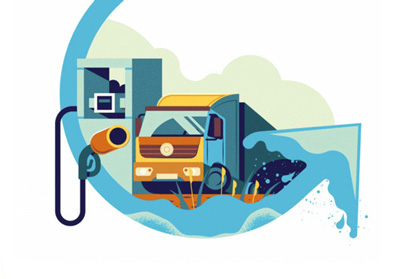
Hydrogen enables low-emission mobility for cars, trucks and trains, complementing electric mobility. Hydrogen and ammonia are also being explored as cleaner fuels for shipping.
Hydrogen enables low-emission mobility for cars, trucks and trains, complementing electric mobility. Hydrogen and ammonia are also being explored as cleaner fuels for shipping.
 © Anton Hallmann / Sepia
8
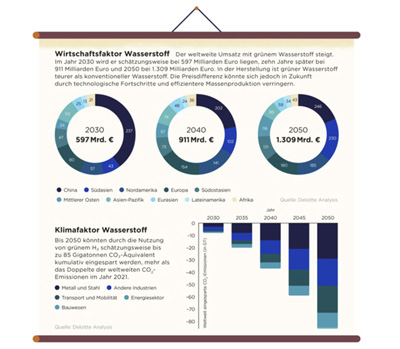
Green hydrogen can significantly reduce CO? emissions, particularly in steel production and transport. In the steel industry, it can cut emissions by up to 95%, while hydrogen-powered trucks can avoid substantial CO? emissions compared with diesel.
Green hydrogen can significantly reduce CO? emissions, particularly in steel production and transport. In the steel industry, it can cut emissions by up to 95%, while hydrogen-powered trucks can avoid substantial CO? emissions compared with diesel.
 © Anton Hallmann / Sepia
9